RCS vs SMS: Which should your business be using?
In today's digital-first world, businesses have more ways than ever to communicate with customers. However, despite the rise of social media, email marketing and messaging apps, mobile messaging remains one of the most effective communication channels. For many organisations, the question is not whether to use mobile messaging, but which type of messaging will deliver the best results.
Whilst Short Message Service (SMS) has been the default method of mobile communication for decades, Rich Communication Services (RCS) is rapidly emerging as the next generation of business messaging, offering richer experiences and driving greater customer engagement.
Understanding the differences between SMS and RCS can help businesses choose the right channel for every customer interaction.
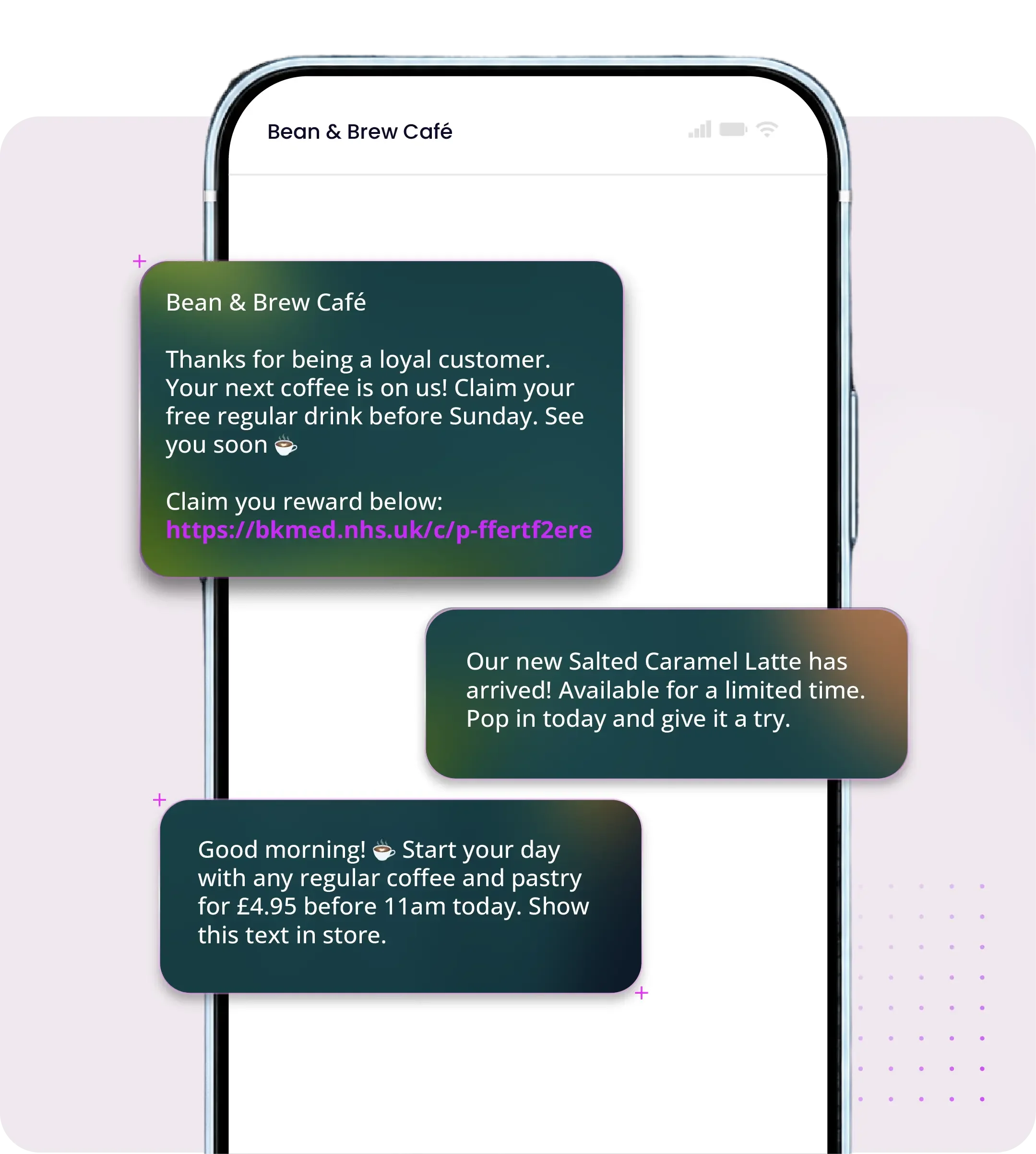
What is SMS?
SMS is the original text messaging standard used by mobile phones worldwide. It enables businesses to send simple text messages directly to customers' mobile devices, regardless of handset type, operating system, or network provider.
One of SMS's greatest strengths is its universal reach. Nearly every mobile phone in the world can receive SMS messages, making it one of the most reliable communication channels. Whether sending appointment reminders, delivery updates or one-time passcodes, SMS provides a dependable way to reach customers instantly.
The effectiveness of SMS is reflected in its performance. With open rates of around 98%, most messages are read within minutes of delivery. This makes SMS particularly valuable for time-sensitive communications where immediate visibility and action is required.
Modern business SMS platforms like QuickSMS have significantly expanded beyond the basic text messaging functions typically associated with SMS. Features such as branded sender IDs, long-message support for messages above 160 characters, personalised short URLs, delivery reporting and API integrations allow organisations to scale their communications while maintaining a professional customer experience.
What is RCS?
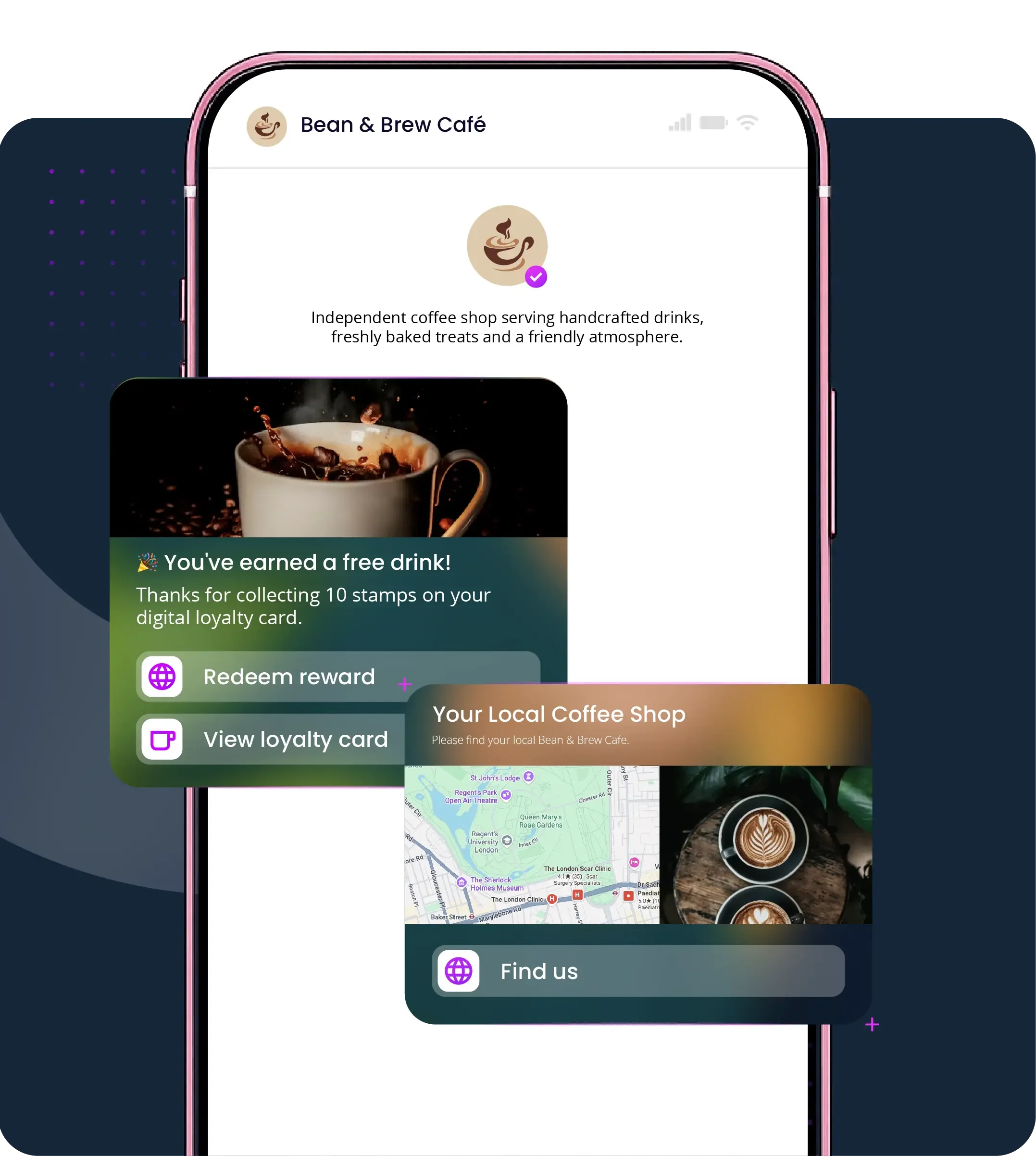
RCS is often described as the evolution of SMS. Designed to bring modern messaging features directly into the native messaging app on a customer's phone, RCS creates an experience that feels more like a mobile application than a traditional text message.
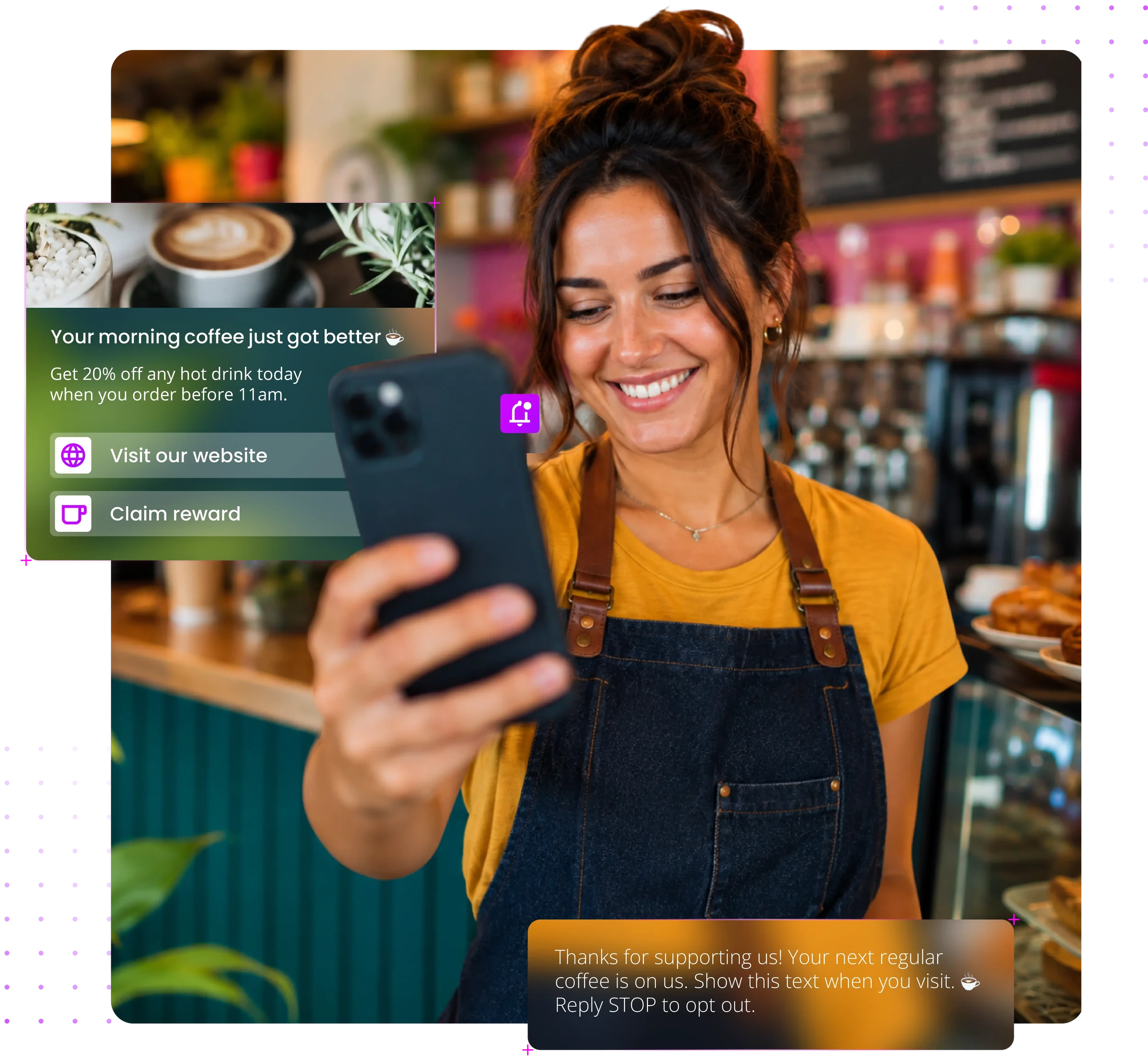
Unlike SMS, RCS supports high-resolution images, videos, interactive buttons, suggested replies, branded messaging experiences, and real-time updates. Businesses can create visually engaging conversations that encourage customers to act without leaving their messaging app.
For example, a travel company can send a customer a booking confirmation containing destination images, clickable “Book Now” buttons and live updates. A retailer can showcase products using image-rich messages with "Buy Now" or "Track Order" buttons. Healthcare providers can simplify appointment management through interactive reminders and confirmations.
By transforming static messages into interactive customer experiences, RCS messaging helps businesses improve engagement and drive higher response rates.
Key differences between SMS and RCS
Whilst both SMS and RCS help businesses connect with customers, they offer very different messaging experiences.
Content and media: SMS is primarily designed for text-based communication, so while MMS can support images and other media, the experience is often limited by file size restrictions and device compatibility. RCS delivers a much richer experience with high-resolution images, videos, interactive buttons, suggested replies, branded layouts, and real-time updates, making messages more engaging and visually appealing.
Branding: For businesses wanting their messages to stand out and be instantly recognisable, branding options in SMS are generally limited to sender IDs. RCS, however, enables verified business messaging with logos, brand colours, images, and rich content, helping businesses build trust and create a more recognisable brand experience.
Reporting: There are some key differences when it comes to reporting too. SMS provides essential reporting, including delivery confirmations and click tracking, whilst RCS offers deeper engagement insights, allowing businesses to better understand customer interactions and optimise messaging campaigns.
Reach: Finally, SMS remains the most widely accessible messaging channel, working on virtually every mobile phone. RCS requires compatible devices and supported networks. As a result, many businesses use SMS as a fallback to ensure messages reach their entire audience.
When should businesses use SMS?
SMS is ideal when maximum reach and reliability are required. It is commonly used for appointment reminders, one-time passwords (OTPs), delivery notifications, emergency alerts, payment reminders, and service updates. Because SMS can reach virtually every mobile device, it remains a critical communication channel for organisations in healthcare, finance, government, logistics, and other industries where reliable message delivery is essential to business operations.
RCS is best suited for customer journeys that benefit from visual content and interactive experiences. Businesses often use RCS for marketing campaigns, product launches, retail promotions, travel updates, customer support interactions, event registrations, and e-commerce order tracking.
By combining rich media, branding, and interactive features, RCS enables businesses to create more engaging and personalised customer experiences while still offering the convenience of native mobile messaging.
The future of business messaging
For most businesses, the future of messaging is not about choosing between SMS and RCS. Instead, it is about using each channel strategically.
As customer expectations continue to evolve, embracing both SMS and RCS will be best positioned to deliver meaningful, timely, and effective communications. By combining both technologies within a unified messaging platform, businesses can ensure every customer receives the best possible experience based on their device capabilities and communication preferences.
The result is stronger customer relationships, higher engagement rates, and messaging strategies that are ready for the future of mobile communication.
To learn more about how you can utilise SMS and RCS in your business, speak to the QuickSMS team.
Frequently asked questions
-
No. RCS is the richer, more interactive channel, but it depends on device and network support, so SMS remains essential for universal reach. Most businesses use the two together, leading with RCS and falling back to SMS.
-
SMS sends plain text to almost any phone. RCS adds images, video, branding, interactive buttons and richer reporting on supported devices. In short, SMS is built for reach and reliability, RCS for engagement.
-
Not yet. RCS needs a compatible smartphone and a supporting network. UK coverage is growing quickly, but because it is not universal, an SMS fallback makes sure every customer still receives your message. [Add current UK RCS coverage figure once confirmed.]
-
Yes, and most businesses do. A single platform can send RCS to supported devices and automatically fall back to SMS for everyone else, so you get the best of both.